Helping out the Children's Aid Society
Volunteering: Jan. 2023 - Dec. 2023
Jan. 4, 2024 • 0 views
Preamble
I remember stumbling across the engineering building at my university. Aisles of cardboard booths strewn across the hall, students proudly presenting their rehearsed pitch to the crowd of people gathered around. This was our school’s annual design team fair, an event that happens once every term. I made a mental note to check it out sometime.
In my second term, I found myself in the eng building once again. After learning about a few subteams, I turned my attention to a representative from UWBlueprint, a software design team dedicated to building technology for social good. I’ve previously done volunteer work for small non-profit organizations, and combined with my interest in computer science, seemed like a fitting opportunity. Unfortunately, this specific design team is known for having a super arduous application process. I didn’t care much for it though and applied regardless; what’s the worst that could happen? I wouldn’t know, since I successfully navigated through it (😋) and became a software developer and member of UWBlueprint.
Timeline
I worked extensively on the Children’s Aid Society (CAS) subteam within Blueprint from January 2023 to December 2023. CAS is an NPO that provides child protection services and we were helping build a platform for their Supervised Access Program. I started my first 8 months as a software developer, then moved up as a technical lead for my last 4 months.

First term
During my first term on CAS, our team consisted of 11 students: 1 technical lead with 6 developers and 1 product manager with 3 designers. Up to this point, I’ve only ever had experience creating side projects by myself with the occasional group hackathon, but I’d never coded under someone before and I definitely hadn’t worked in a group as large as CAS either. Essentially, this would be my first time operating in a software team environment.
CAS is built upon a framework consisting of PostgreSQL, Flask (Python), and React (TypeScript). I was familiar with Flask and React (JavaScript), but not TypeScript or Postgres. Furthermore, Docker was used to run our application and standardize the local working environment for all devs, a platform (and concept) that was super foreign to me. To add icing on the cake, I was unfamiliar with version control in a collaborative setting; creating pull requests, dealing with merge conflicts, and git rebasing were all new material. There was a lot of learning to do.
Since you can’t learn without getting your hands dirty, I dived right into the code. Once again, I was in far-off territory; the codebase was extremely large, with dozens of folders and even more files within—and this was just the frontend. It didn’t help that TypeScript has its own unique structure, one that resembles JavaScript enough for me to get the gist, but not enough for me to completely understand. It was like walking through a foggy day—a once amicable environment, now shrouded in an unfamiliar mist.
Most of my tickets were frontend-related this term. This was a purposeful decision, since I wished to work with visual changes, hoping they would be easier to digest, and my tech lead happily obliged. A lot of my first few work sessions were spent badgering my lead with questions: “How does prop drilling work with this component?”, “How do I use conditional rendering here?”, “Why does my branch have 100 commits; only two of them are mine??”, the list goes on.
However, with time I became more comfortable working in TypeScript and manipulating Chakra UI (a React-based design system) components for my own implementations. I learned about the agile methodology and how to pair program with other developers. Things were starting to fall into place.
Second term
My goal this term was to familiarize myself with our backend. As such, many of my tickets were backend-focused. Once again, I kept up my onslaught of questions. Since I’ve worked with Flask in the past, I didn’t have to deal with the initial learning curve of syntax as I did with the frontend. I learned how to create class models, write validation in DTOs, implement CRUD services, and call them through endpoints. Inadvertently, this taught me how to use Postman, manage my local database history, and type terminal-based commands in psql. It was a really productive 4 months, and I began to understand how our app interacts through the many files found in both the backend and frontend.
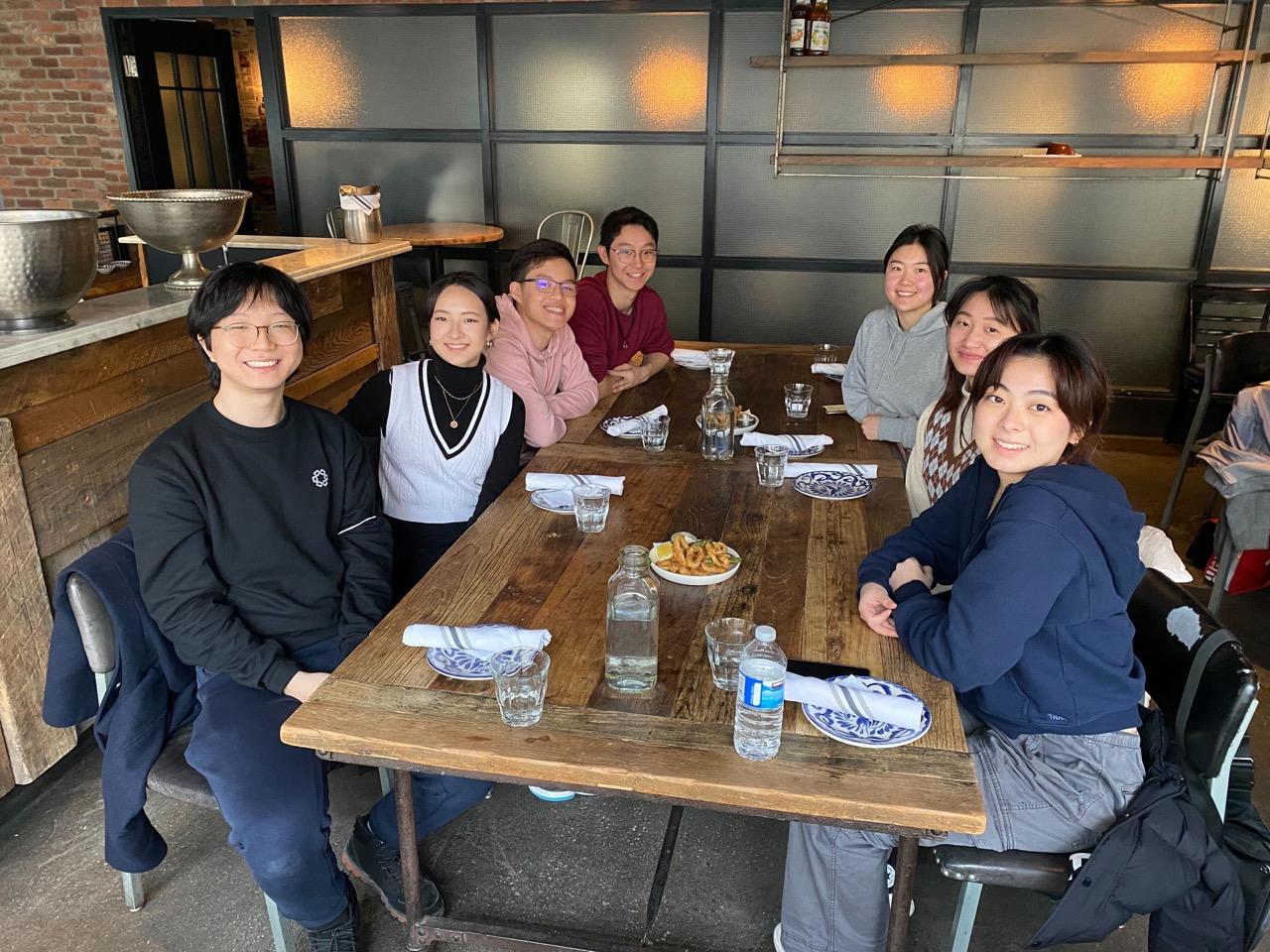
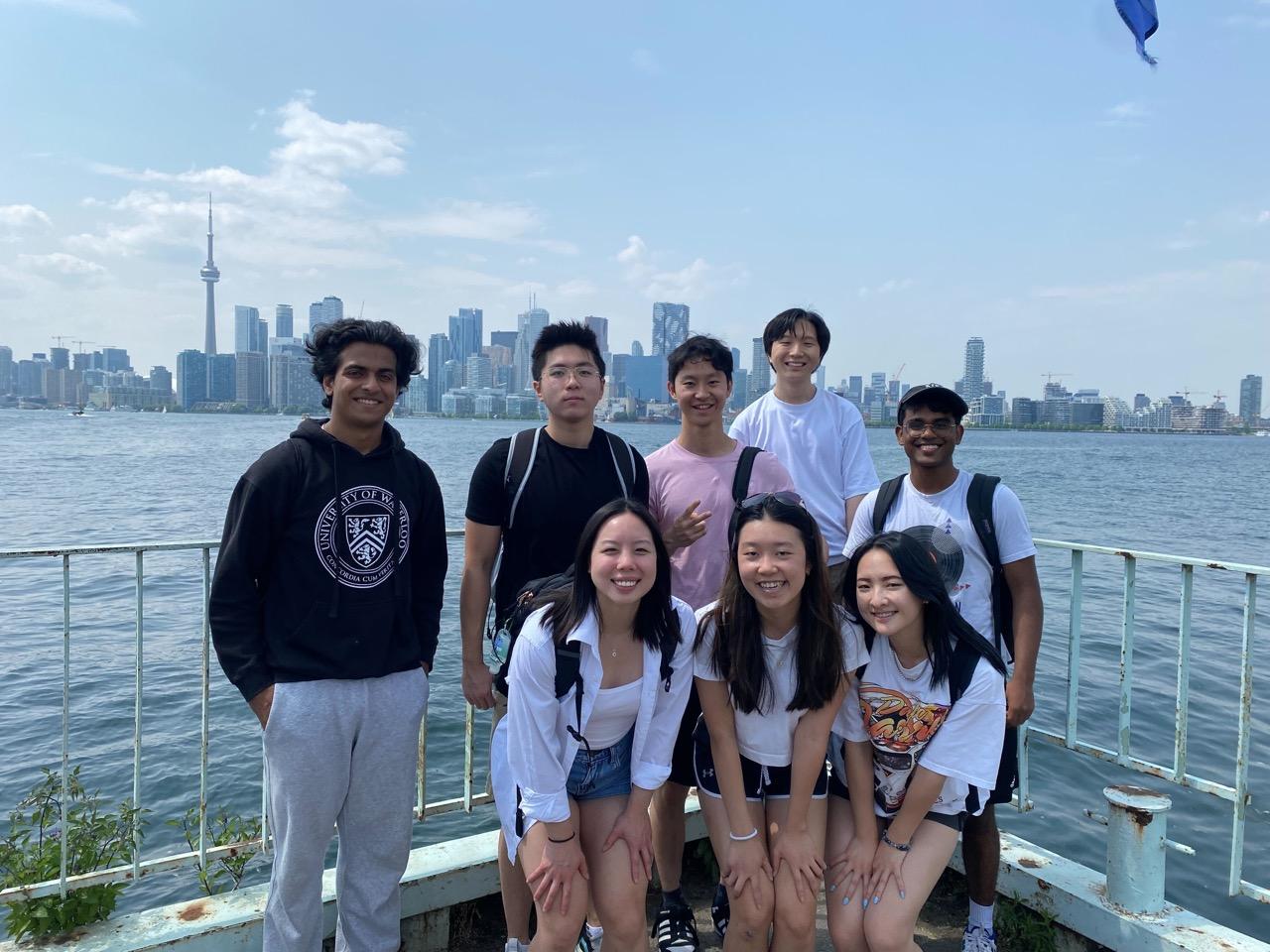
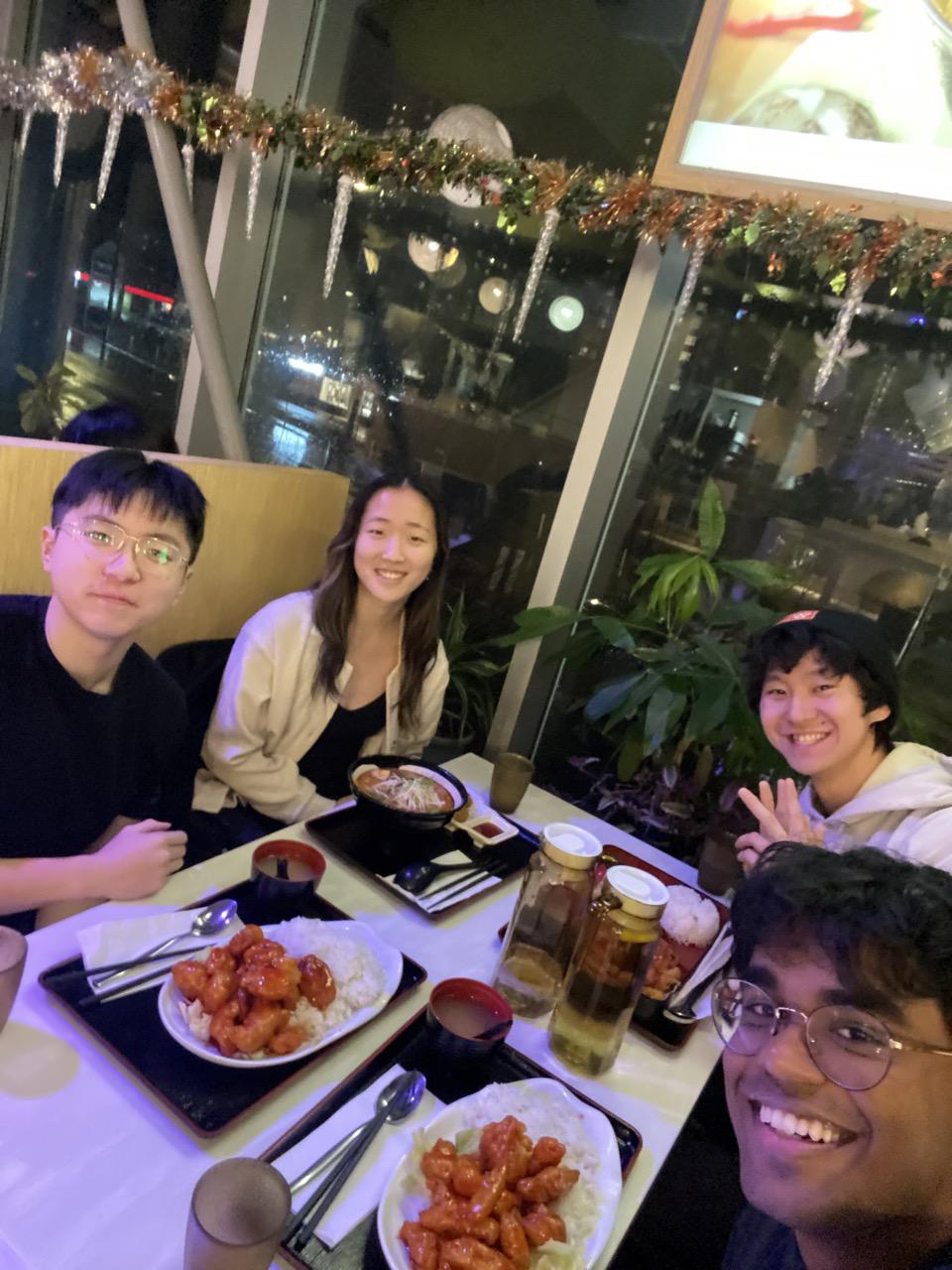
Not to mention, we had super neat socials this term too!
Third term
Being a technical lead had been in the back of my mind ever since I joined. Now going into my third Blueprint term, I’ve had 8 months of prior CAS full-stack experience, 5 months being a frontend developer at Hack the North, and 4 months of software developer experience at Civilia, my first co-op internship. In addition, my prior tech lead had committed to an exchange program this term, thus taking on a more advisory role. It was time to step up.
The responsibilities held by a technical lead were quite daunting. As a lead, you must understand the ins and outs of the project, from low-level implementation to high-level ideas. It is your job to break down the app into manageable tickets, assigning them to developers based on their preferences (stated in the 1:1s you conduct). Since you are working with an NPO, scheduling client meetings and implementing client feedback into your app is also a strict requirement. However, your most important responsibility is to be able to lead a team of developers and cultivate a vibey team culture 😁.
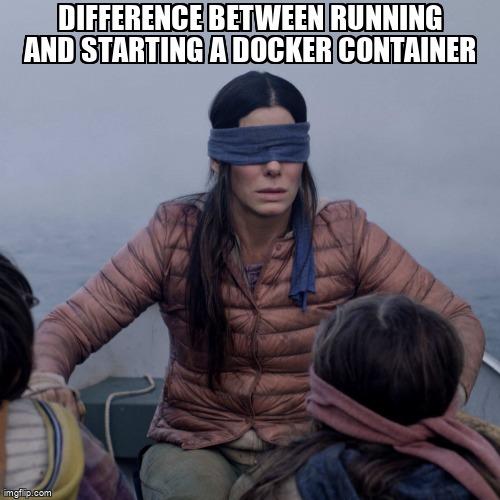
Although I spent the majority of my time helping rather than coding, I incidentally learned a lot of DevOps-related operations: integrating updated dependencies, grappling with Heroku, working with database administrative tasks, and debugging Docker containers.
When I wasn’t helping or coding, I was constantly brainstorming ways to implement features, reviewing pull requests as they came in, updating documentation and schemas, and planning team socials (I’ve learned that I HATE planning social events; too stressful 😵💫).
Overall though, I found being a technical lead super rewarding, and also plenty of fun! It was cool seeing everything come together and it also didn’t hurt to know that we’d be positively impacting dozens of families with our app.
Final Thoughts
UWBlueprint was my first exposure to what software development could look like. It surrounded me with a bunch of people who also liked building things and fostered quite a homely community. I really enjoyed my time here.
Maybe I’ll come back as VPE one day 😋