Frontend at Canada's biggest hackathon
Volunteering: Mar. 2023 - Oct. 2023
Jan. 4, 2024 • 0 views
Preamble
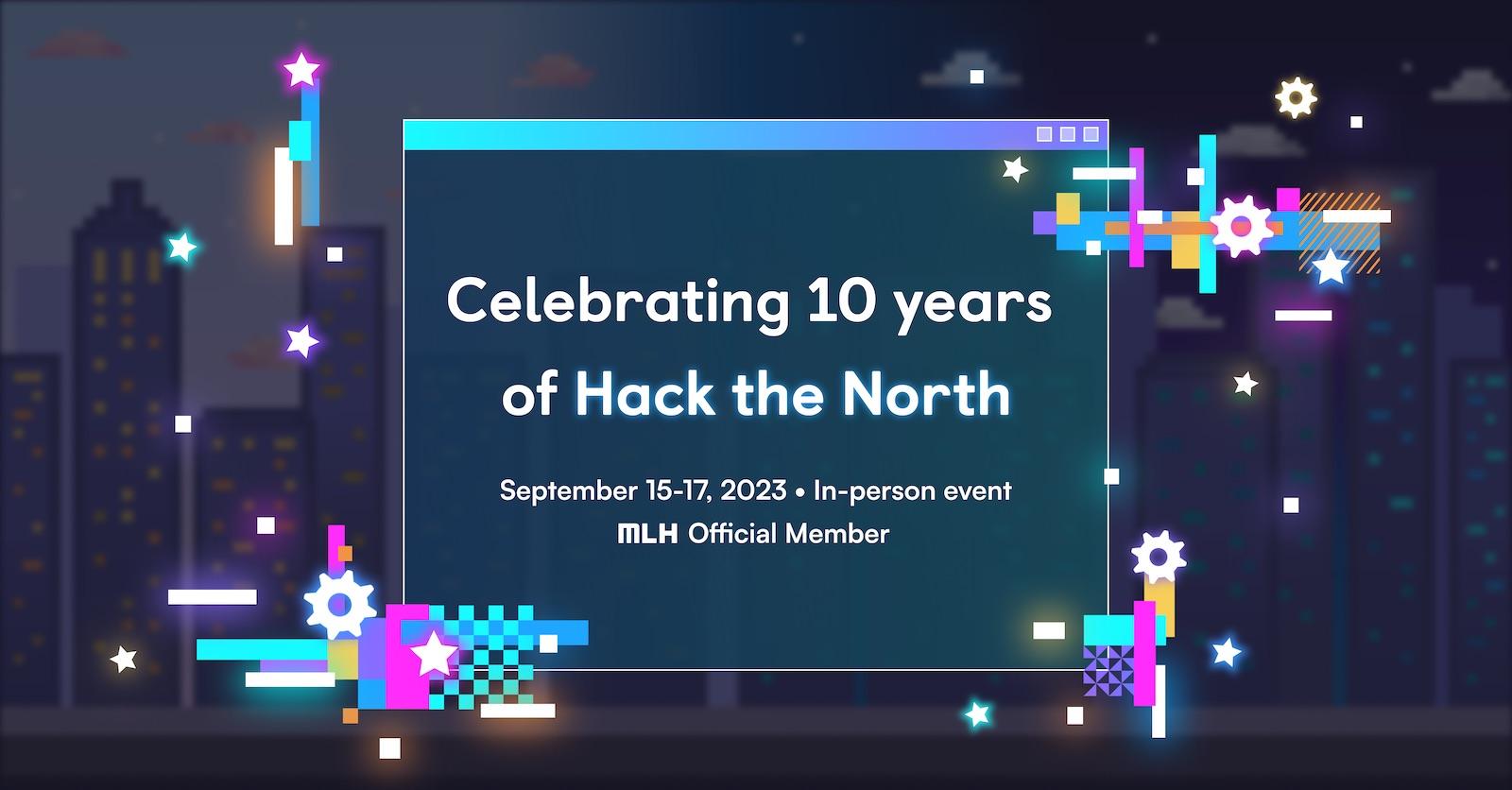
I never would have thought I would be the one to over-engineer the main website for Canada’s biggest hackathon. Being a part of Hack the North’s frontend team always felt so out of reach; I remember looking through their static sites every year with mouth agape, mystified by their creativity and design. I recall scrolling through the 2022 site, my eyes hungrily darting across the screen, trying to take in all the colours blending beautifully together like an aurora borealis. I didn’t know it was possible to code like that.
However, eventually the shock wore off. From March to October 2023, I was a frontend developer and organizer at Hack the North, Canada's biggest hackathon.
Projects
Over these past 8 months, I've had the opportunity to work on 4 main projects: the Hack the North Website, Hacker Applications Dashboard, Travel Tool, and Signage Tool. Our development process is quite methodical—a tried and true practice that allows us to continue building beautiful websites.
- design<>frontend handoff. Super crucial step. Frontend might be responsible for building the website itself, but we wouldn’t have anything to build without the design team (massive kudos to them!!). We usually have a few meetings to discuss feasibility and how well the design will transfer over to development. It’s super cool seeing the designers think and talk amongst themselves—I definitely learned a thing or two about UI/UX from them.
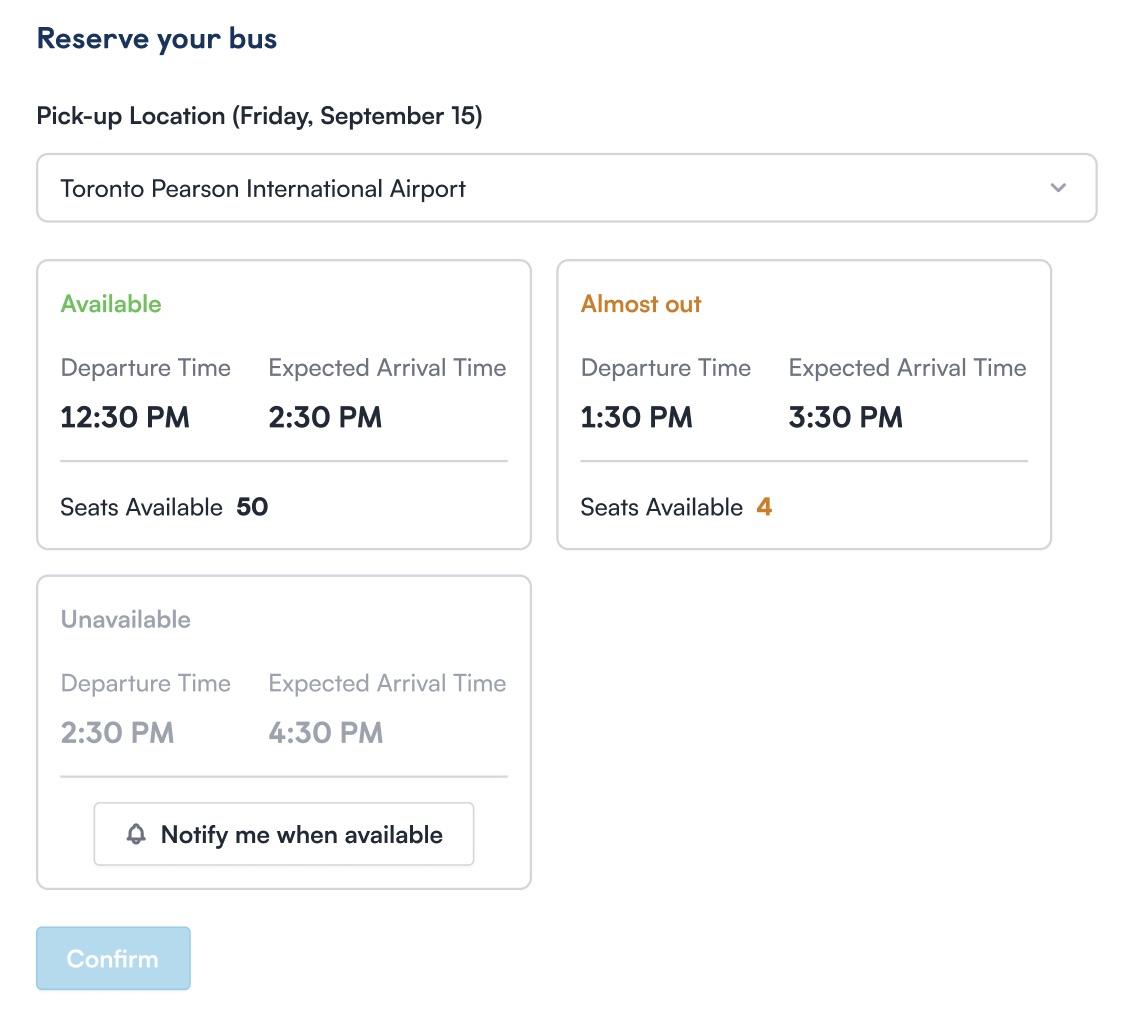
- backend<>frontend handoff. When it comes to retrieving or saving data, the backend team is the one to call. They help fill us in on any endpoints/subscriptions they create, any fields they update, and other mystical backend-y things. For instance, if the frontend team needs to display bus info for a given user, the backend team creates the GraphQL endpoint and decides on the parameters needed. They then convey this information to the frontend team, who calls the endpoint with the given parameters.
- Delegation of tasks. Once the above has been sorted out, the frontend team gets to work. There isn’t a special way we divvy up our tasks—we simply slice the site into equal pieces of work, then assign frontend developers to each respective piece.
The Work
I’m going to highlight two experiences that showcase the breadth and depth of work that a frontend developer is responsible for.
Hack the North Website—Footer
The static site was the first major project that us frontend devs were tasked to work on. Our magnum opus, one could say. The footer was one of the sections I was assigned.
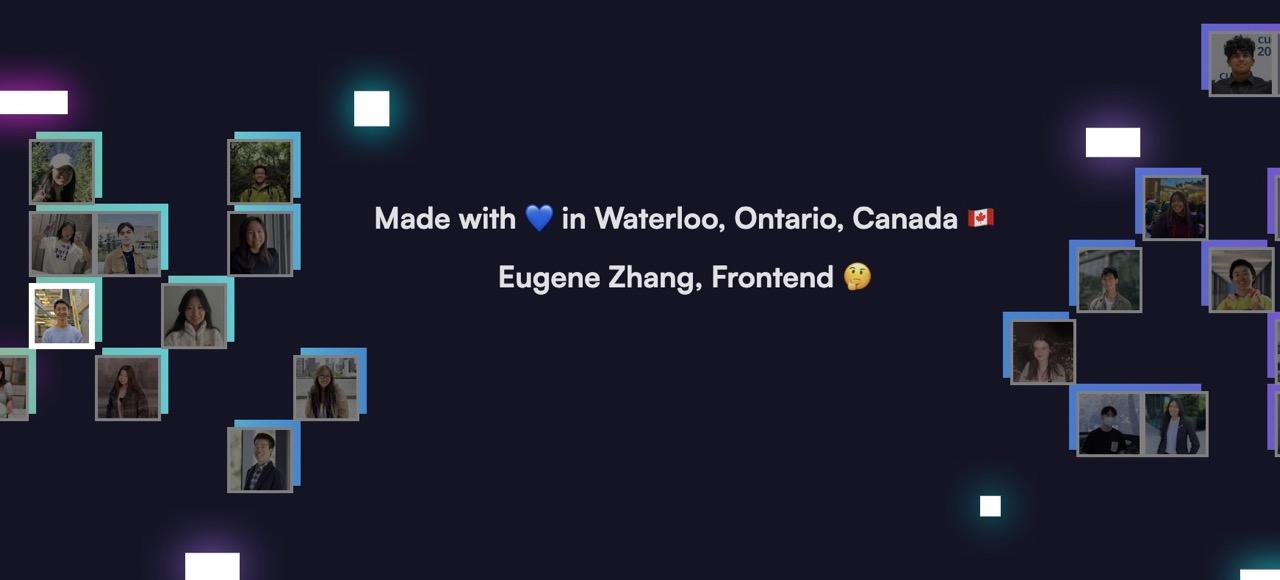
This section does a splendid job of combining many aspects of frontend development: layout, alignment, responsiveness, image resolution, and hooks. Here's a little problem snippet example:
The arrangement of organizer boxes seemed quite sporadic to me, with no clear pattern. Thus, I decided to take advantage of the grid-template-areas property to forcefully organize the chaos into the following:
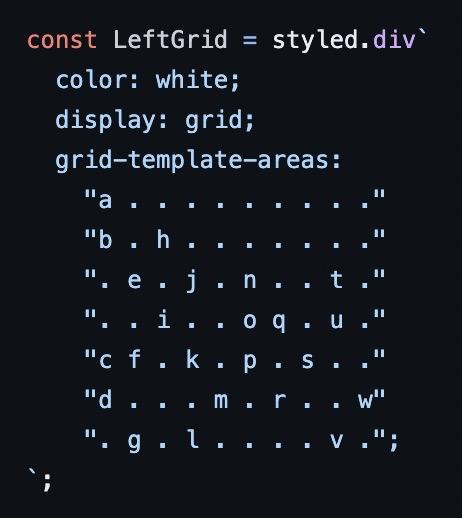
One annoying thing I had to consider was optimization. Although making a gorgeous Hack the North site is our top priority, we also want a fast and functional site, to maximize the user experience (and pass Lighthouse tests 😅). Thus, I had to make sure the assets I used wouldn’t make the site explode (ie. resizing, lazy loading images, and reducing the pixels on smaller organizer pictures).
Check out the finished product here!
Travel Tool—DRI
I was one of the frontend DRIs (directly responsible individuals) for the development of our travel tool. Being a DRI makes you the central point of contact, a beacon of sorts. Thus, it was my responsibility to actively communicate with the other subteams when necessary and ensure our development cycle matches our timelines. For travel tool, this meant reaching out to: the logistics DRI to confirm bus locations, capacity, and times, the backend DRIs to ask about endpoint descriptions and field name changes, and the design DRI to hand off the Figma to the frontend team. Lastly, I, along with my other fellow frontend DRI, had to determine what features we had time to implement and how we wanted to delegate the work; walking a fine line between quality and quantity.
Final Thoughts
Overall, this was honestly one of the most rewarding and unique experiences I've ever had, and I'm so grateful to have been a part of it. It felt surreal at times to be working with such a talented group of people, all while shipping real, impactful sites that impact thousands of hackers across the world.
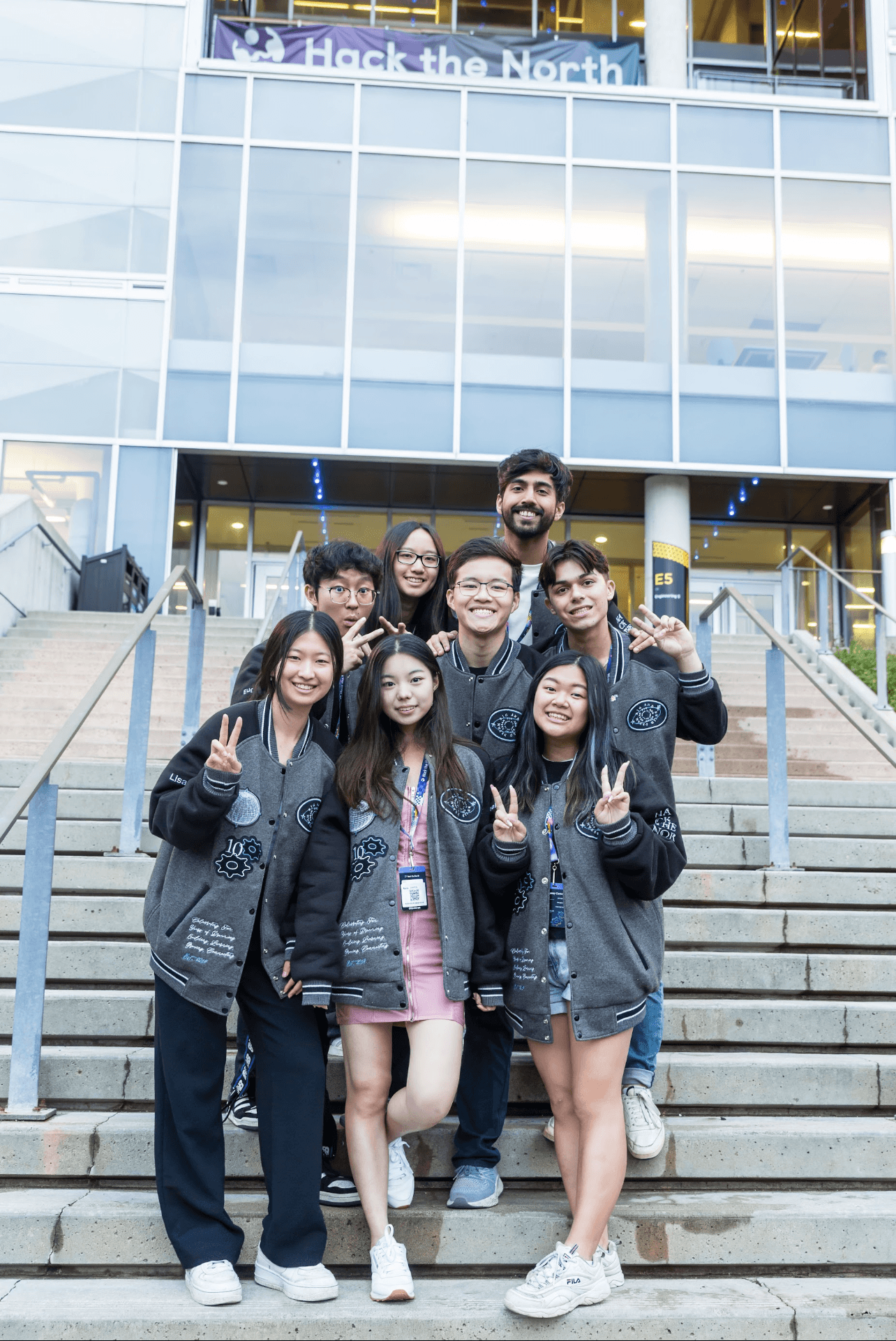
And of course, shout-out to the entire team! From seeing the Hack the North community afar as a hacker, to now contributing to the vibes as an organizer, I’ve had such a blast making memories with you all!
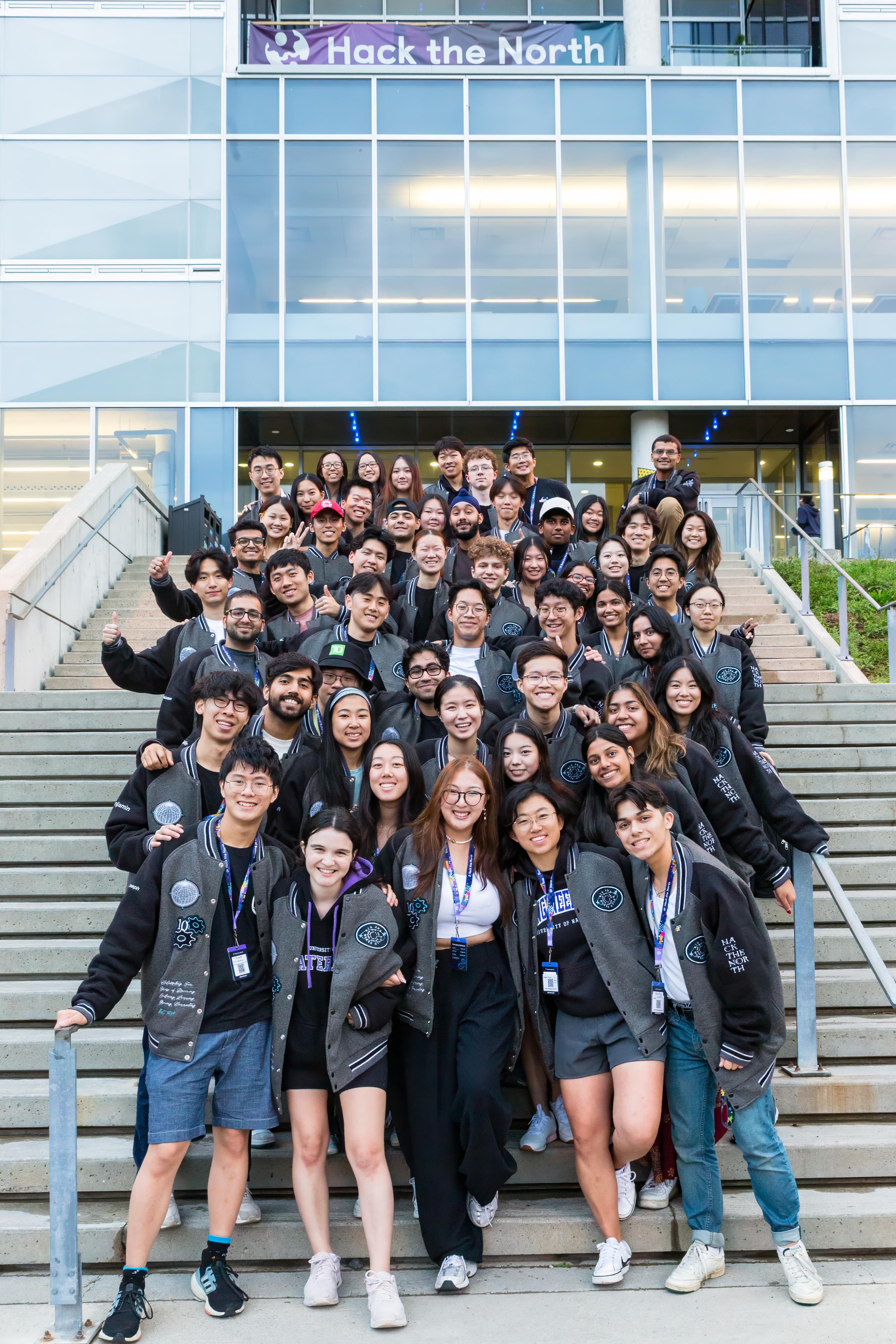
(although I am coming back as a Frontend Co-Lead, so I’ll be staying around one more year 😁)